





Helicopters in India need to be integrated into mainstream mobility, emergency response, medical services, tourism and logistics
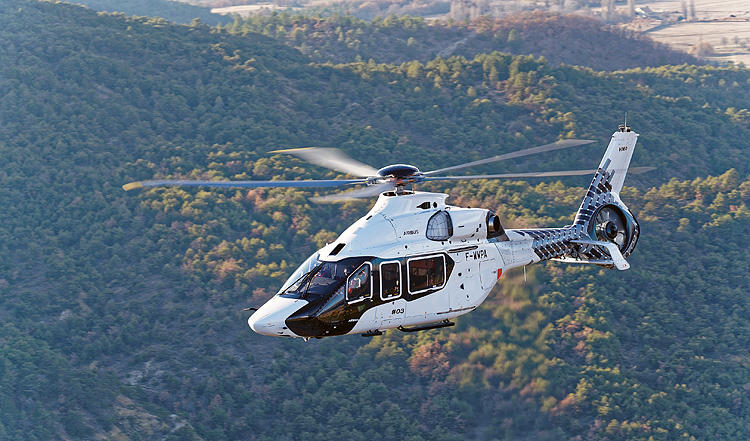
Despite India's vast geography and diverse terrain which is considered ideal for helicopters, the country continues to lag far behind global peers in helicopter utilisation, industry leaders say.
According to industry data, India operates roughly 250–280 civil and para-republic helicopters across sectors including offshore, charter, VVIP, tourism and utility operations. This fleet size represents less than one per cent of the global helicopter fleet and remains low even relative to smaller developed markets, such as New Zealand, which had around 560 helicopters as of 2021.
Sunny Guglani, Head of Airbus Helicopters India and South Asia, underscores this contrast sharply, "Pune alone has more helicopters than the entire North East region put together." He attributes the sluggish helicopter market primarily to a lack of helicopter mindset, where both demand awareness and supportive policy frameworks have not kept pace with India's needs. Guglani emphasises that helicopters should be more than VVIP or niche assets; they need to be integrated into mainstream mobility, emergency response, medical services, tourism and logistics.
Industry experts point to multiple structural hurdles that dampen growth. Regulatory and infrastructure gaps, especially around heliport development, airspace access, and de-confliction of rotary and fixed-wing traffic continue to constrain operations. Authorities, such as the Ministry of Civil Aviation (MoCA), DGCA and the Airports Authority of India (AAI), need a coordinated push to build dedicated helicopter infrastructure and streamline procedures.
Safety perception remains another challenge. Experts stress the need for rigorous data collection and accident analysis to drive evidence-based policy and training reforms, noting that pilot error is not always the root cause of incidents.
Financial constraints also weigh heavily. Harsh Vardhan Sharma of Himalayan Heli highlights the underdeveloped helicopter financing ecosystem in India, which makes acquisition and fleet modernisation costly compared with global markets.
Unlocking India's helicopter market will require not just infrastructure and policy reform, but a broader shift in mindset, recognising the helicopter as a critical, versatile connector across the length and breadth of the nation.