




India's aviation expansion faces a critical bottleneck as rapid fleet growth outpaces the supply of experienced captains, exposing limits in training capacity and highlighting the need for better retention and long-term pilot development
India's civil aviation sector is entering a phase of unprecedented expansion. Domestic airlines are preparing for one of the largest aircraft induction cycles anywhere in the world, driven by surging passenger demand, favourable demographics and aggressive fleet orders. Yet beneath this growth story lies a structural constraint that could become a serious bottleneck, a widening gap between the demand for pilots and the capacity of the training ecosystem to supply them-most acutely at the command, or captain, level.
According to CAPA, Indian carriers will require around 10,900 additional pilots by 2030, translating into roughly 1,600 new pilots every year. On paper, this may appear achievable for a country with a vast talent pool. In reality, the challenge is far more complex. Becoming a commercial airline captain is not a matter of quick certification. It typically requires between 2,500 and 6,000 flying hours, which in turn demands six to ten years of continuous flying experience. This long gestation period has created a structural lag, one that is now colliding with ballooning fleet sizes and aggressive route expansion.
THE BIG DEMAND
The demand for skilled pilots is immense, explains Shelka Gupta of Redbird Aviation on the evolving landscape of pilot training in India. She says that within five years, Red Bird acquired a robust fleet of more than 50 training aircraft, which are the latest in the world of aviation. She further elaborates that Redbird's presence across five training bases within the geographic location of India, along with one international base in Sri Lanka, enables greater operational flexibility, improved aircraft utilisation, and continuity of student flying throughout the year.
India is at the threshold of such an opportunity, as aviation policy is undergoing continuing reform. As Gupta also explained, the standard that is being followed is the best in the world. She explained that flying abroad is often more complex than commonly perceived, with challenges related to unfamiliar operating environments, varying training standards, airspace differences, and administrative procedures. She further adds, "These factors can sometimes affect training continuity and create uncertainty around the timely completion of the mandatory 200 flying hours."
In contrast, she noted that training in India offers better regulatory alignment, structured supervision, and clearer visibility on training progress, which helps students remain compliant with DGCA requirements throughout their course.
"The conversion challenges faced by students returning from overseas training include documentation gaps, examination requirements, aircrafttype variations, and extended approval timelines. Such issues, she added, often make foreign licence conversion a lengthy, expensive, and demanding process," Gupta puts forth the India-advantage.
The imbalance is particularly stark at the command level. While first officers can be inducted relatively faster through flight schools and simulator-based training, captains cannot be produced on demand. They must accumulate real-world experience across aircraft types, weather conditions and operational environments. As airlines induct hundreds of new aircraft over a short span, the availability of suitably experienced Commanders risks falling well short of requirements. The result could be higher costs, operational constraints, and increased dependence on expatriate pilots — an option that is neither cheap nor sustainable in the long run.
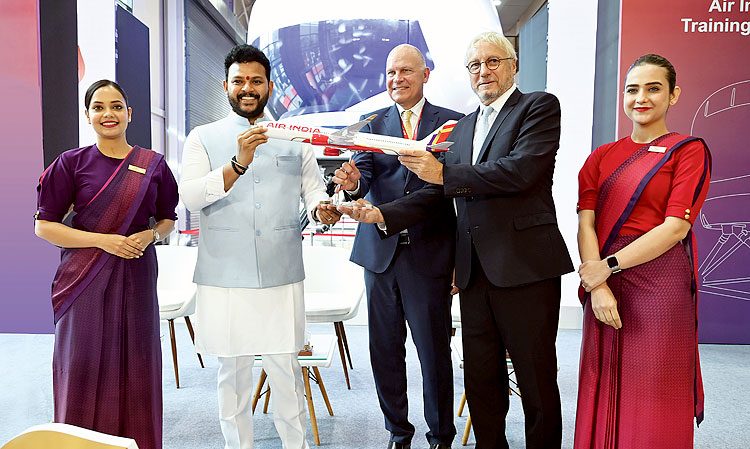
Recognising this looming risk, airlines and aviation groups have begun investing heavily in training infrastructure. Air India, in partnership with Airbus, inaugurated a pilot training centre in Gurugram in September 2025, with the stated aim of training around 5,000 pilots over the next decade. Separately, the Tata Group airline is setting up what it describes as South Asia's largest flight training academy in Amravati, backed by an investment of about 200 crore. With a planned capacity of 180 pilots a year and a fleet of 34 trainer aircraft, the facility signals a serious attempt to build domestic training capability at scale.
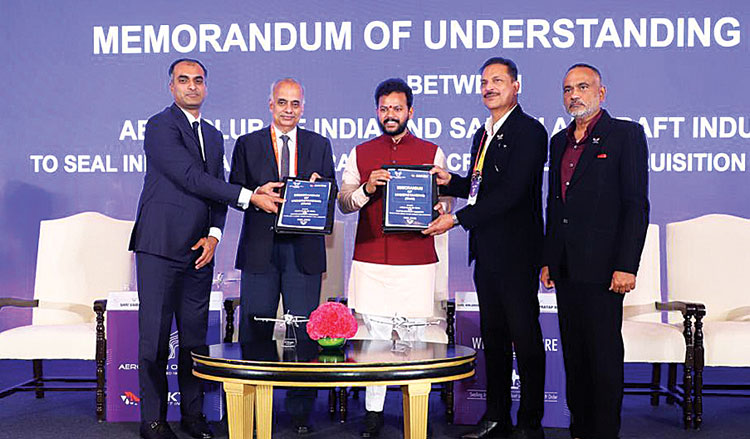
As India's pilot training ecosystem scales up, access to modern trainer aircraft is emerging as a critical constraint. Sakthi Aircraft Industry, a joint venture between the Sakthi Group and Diamond Aircraft, is setting up domestic production of advanced trainers such as the DA40 NG. By enabling local manufacture, the initiative aims to improve aircraft availability for flying schools and support the expansion of India's entry-level pilot pipeline.
These initiatives are welcome, but they also highlight the limits of infrastructure-led solutions. Training academies can expand the pipeline of entry-level pilots, but they do not solve the immediate shortage of captains. Nor can they compress the time needed to gain experience without compromising safety. Aviation, by its very nature, demands conservatism in progression, and any attempt to fast-track command upgrades carries risks that the industry-and regulators-cannot afford.
What is needed, therefore, is a more holistic approach. Airlines must improve retention, particularly of mid-career pilots who are most likely to leave for better-paying overseas opportunities. Structured career progression, competitive compensation and predictable rosters will matter as much as new simulators. Regulators, meanwhile, need to ensure that licensing processes are efficient without diluting standards, and that India's training ecosystem aligns with global best practices so that experience gained domestically is fully valued.
The current pilot shortage is not merely a cyclical mismatch, it is the predictable outcome of long training timelines meeting sudden, large-scale growth. India's aviation boom remains real and robust, but its sustainability will depend on whether the sector can think beyond aircraft orders and airport terminals. Without enough captains in the cockpit, the country's ambitious expansion plans may find themselves grounded—not by lack of demand, but by the slow, unforgiving arithmetic of experience.
In a nutshell, India's growing aviation market must address the importance of strengthening domestic training infrastructure and streamlining regulatory processes to support India's rapidly growing demand for skilled commercial pilots.