




India's approval of three new airlines reflects long-term policy intent to reduce market concentration, but success will depend on disciplined strategies, niche focus and financial resilience in one of the world's most competitive, high-risk aviation markets
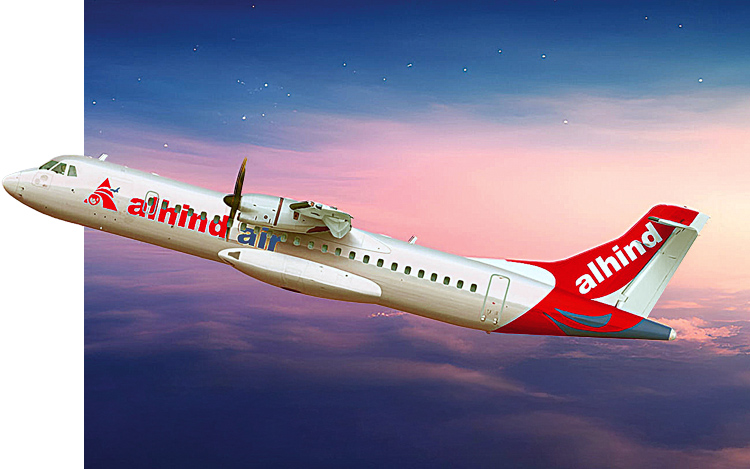
India's aviation regulator has cleared three new domestic airlines, Shankh Air, Alhind Air, and FlyExpress, marking the first such approvals in years. On paper, this signals confidence, confidence in demand, confidence in policy reform, and confidence in India's long-term aviation growth story. But behind the optimism lies a far more complex reality.
The approvals come at a time when India's airline market is under visible strain. A recent operational breakdown at IndiGo, led to thousands of flight cancellations due to crew shortages and scheduling failures. It exposed how dependent India's aviation system has become on a few dominant players, and how vulnerable the ecosystem is when one falters.
So, was this decision driven by strategic foresight or by urgency following the IndiGo crisis? And more importantly, what chance do these three new airlines really have in one of the world's most competitive aviation markets? Let us deep dive beyond headlines to examine the policy intent, market structure, operational realities, and survival prospects of India's newest airline hopefuls.
IS IT A POLICY PUSH OR QUICK FIX?
The Ministry of Civil Aviation (MoCA) and the Directorate General of Civil Aviation (DGCA) have issued No Objection Certificates (NOCs) to Shankh Air, Alhind Air, and FlyExpress, allowing them to proceed to the next regulatory stage, the Air Operator Certificate (AOC) before they can launch commercial flights.
Officially, this is part of India's broader push to expand domestic capacity, improve regional connectivity, reduce over-dependence on few large carriers and strengthen competition in underserved routes. This aligns with the government's long-standing goals under UDAN and the National Civil Aviation Policy, which envision a more geographically balanced, accessible air transport system.
However, aviation is not a sector where approvals translate into impact overnight. From NOC to first flight, the process typically takes 12 to 24 months, involving fleet induction, crew hiring, safety audits, route approvals, and financial clearances.
So, while the timing may appear reactive, following IndiGo's operational crisis the approvals themselves reflect long-term policy thinking and not a short-term crisis response.
TWO GIANTS CONTROL THE MARKET
India today is effectively a duopoly with IndiGo controlling over 60 per cent of domestic market share and Air India Group, post-merger with Vistara and AIX Connect, holding another 25 per cent+. Together, they command nearly 90 per cent of the market, leaving all other carriers, SpiceJet, Akasa Air, Alliance Air, IndiaOne Air, Fly91 to fight over the remaining single-digit shares.
Even after years in the market SpiceJet continues to operate under financial stress and fleet constraints. Akasa Air, despite strong backing and a promising start, has grown cautiously due to aircraft supply delays and cost pressures while regional carriers like IndiaOne Air and Fly91 are expanding, but carefully and selectively. This is not a market that rewards aggressive growth without deep capital, strong cost discipline, and flawless execution. Against this backdrop, the entry of three new airlines is not just ambitious but more of high-risk.

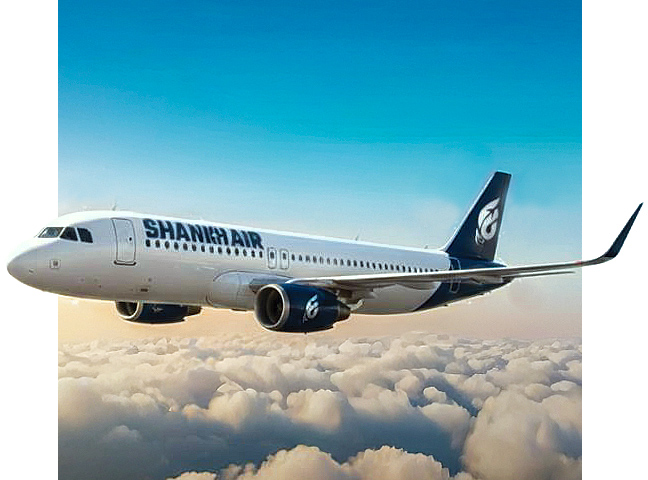
So, who are the newbies planning to enter Indian skies? Shankh Air is expected to focus on full-service or hybrid operations, potentially targeting business and premium leisure routes. Alhind Air, backed by the Alhind Group, which already operates charter and cargo services, is likely to leverage its existing aviation infrastructure and experience, possibly with a regional or medium-haul focus and FlyExpress is being positioned as a low-cost or regional carrier, potentially serving underserved routes and secondary airports.
Primary focus of the above players will be on regional connectivity, employment generation, affordable travel plans and overall strengthening India's aviation ecosystem. These are commendable goals and they align well with national policy objectives. But good intentions alone do not guarantee commercial viability.
STRUCTURAL CHALLENGES
SO WHY ALLOW NEW AIRLINES AT ALL?
Because consolidation is not resilience. The IndiGo operational crisis proved a crucial point. When one dominant carrier stumbles, the entire system feels the shock. With limited alternative capacity, disruptions cascade across the network. From a policy standpoint, the government needs more operators, competition, redundancy with plenty of choice for travellers.
Hence even if not all new entrants survive, the presence of more players will, to some extend improve pricing discipline along with encouraging service innovation, strengthening route diversification and will also help to enhance the overall stability of the market. In aviation policy, not every airline needs to succeed for the ecosystem to benefit.
WHAT MUST THESE AIRLINES DO DIFFERENTLY?
Survival will not come from scale alone, it will come from strategy, focus, and discipline. India's aviation history is littered with airlines that expanded too fast and collapsed just as quickly. Learning from their mistakes, the new airlines must launch with limited fleet, focus on newer, unexplored routes and build on operational reliability before network size. Thus, for them "Growth must follow profitability, not precede it" must be their mantra.
The newbies should understand that they cannot out-run IndiGo or Air India any time soon. Instead, they can focus on point-to-point connectivity targeting very specific and niche customer segments like business, pilgrimage, tourism, cargo, charter, or regional mobility and offer differentiated service or scheduling advantages. A strong niche just might protect them from price wars and margin erosion.
The new airlines can also play around short-term discounts, free services and heavy promotions to build customer loyalty and build traffic, but this will also lead to major cash burn. The airlines will have to lock in favourable leasing rates, use fuelefficient aircraft, optimise crew productivity and very tightly control the overheads. Sustainable cost discipline is more valuable than rapid market share.
India's aviation regulator is strengthening safety oversight, compliance requirements, and operational audits. New airlines will need to build strong safety cultures from day one, invest in training, systems, and processes and avoid shortcuts in maintenance, scheduling, or crew rest. Operational reliability will build customer trust faster than marketing ever can.
The airlines need to partner smartly with airports, MROs, ground handlers and lessors and technology providers to cut costs, improve reliability, and speed up market entry.
WHAT HAPPENS IF THEY FAIL?
Failure is not a policy failure, it is a market reality. Globally, aviation sees a high rate of airline exits, mergers, and restructurings. What matters is not whether all three survive, if India will gain additional capacity in the medium term, addition of more viable routes, regional connectivity overtime leading to market becoming less fragile.
All-in-all the approval of Shankh Air, Alhind Air, and FlyExpress is not a guarantee of success but an invitation to prove relevance. For policymakers, this is a test of whether India can balance market freedom with regulatory discipline, encourage competition without destabilising incumbents and support growth without encouraging reckless expansion.
For the airlines, this is a test of strategic clarity, financial resilience, operational discipline and leadership maturity. And for the market, it is a reminder that aviation is not just about aircraft and routes, it is about systems, structures, and sustainability.
HOPE WITH CAUTION, OPTIMISM WITH DISCIPLINE
India's aviation story is one of remarkable growth, ambition, and resilience. Passenger traffic continues to rise. Airport infrastructure is expanding. Fleet orders are among the world's largest. The demand is real and long-term. But aviation is also unforgiving.
The entry of three new airlines should be welcomed, not as saviours of the system, but as participants in a complex, high-stakes ecosystem. If they grow wisely, operate responsibly, and choose strategy over speed, they can carve meaningful roles in India's skies. If they chase scale without sustainability, they will become another chapter in aviation history's long list of well-intentioned but short-lived ventures.
Either way, their arrival marks a turning point, one that will test not just these airlines, but India's entire aviation framework.